


Understanding Loyalty
Loyalty is a discussed issue, yet very few understand it properly. It is not only about taking orders. True loyalty is a conscious decision, on a daily basis, to serve the people that you love, to keep your values, and to keep your promises even when it is difficult.
Think about it. When everything’s going well, anyone can stick around. But when the storm hits—when staying means sacrifice and walking away seems easier—that’s when loyalty reveals itself. That’s when you discover what you’re really made of.
Loyalty forges bridges between us. It renders friends trustworthy, partners dependable, and teams unbreakable. Relationships break, communities disintegrate, and trust evaporates without loyalty.
The majority of individuals do not understand that being loyal is not only about being forever. It is choosing things that are really worthy of your loyalty. You may be faithful to the wrong people, such as unhealthy relationships, dead-end jobs, or unbending thoughts. True loyalty should be judged. At times, it is important to adhere to your values and abandon what contradicts them.
The true test comes when your loyalty goes against you. Speaking the truth to one individual causes another to be upset. When what you are supposed to do in your job goes against your conscience. There is no easy way out of these times. These situations introduce difficult decisions that define your character.
Despite all its complexity, loyalty remains one of the most beautiful human qualities. Why? Loyalty stands out in a world where everything feels temporary, people ghost each other over texts, and commitments break as easily as they form. It says, “I’m here. I will not abandon you. I do not give up when faced with difficulty.”
It is a unique form of protection when a person stands by you. It allows you to be a weaker person, to trust, and to create something of value with them.
A Story of Loyalty: The Bridge Keeper
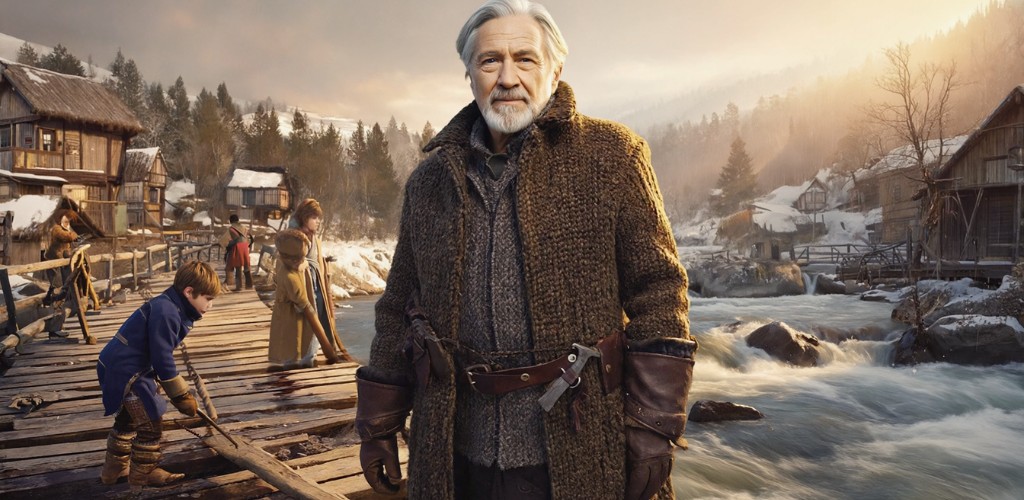
Let me tell you about a man named Elias, who taught an entire village what loyalty really means.
Elias considered himself a normal man, at least in his own mind. He maintained a bridge in one of the small villages between hills and a river. His work was easy: to take care of the old wooden bridge that connected the village to the outside.
Most people didn’t notice him. The bridge was used daily by farmers to market, children to school, and travelers as well. The bridge was simply there, like the air.
But Elias saw more. The bridge was all to him—probably more than both wood and rope, the heartbeat of the village. It was built with the assistance of his grandfather, uniting all his hard work, hopes, and memories.
Elias walked the bridge every morning, right after sunrise, with or without rain. His worn hands ran over the railings, and he was examining every plank and rope. He was familiar with it as an old friend, with all the weak points and all the places where some care was necessary.
And then winter came and made it all different. The snow started in November and didn’t stop. The river, usually calm, became a churning monster. Ice chunks the size of carts slammed the bridge. The wood groaned; the ropes strained. Each day brought damage that would destroy a weaker bridge.
By January, the villagers had seen enough. The mayor took the stage at a town meeting. “We need to face reality,” he said. “The bridge won’t make it through the winter. We should evacuate before the bridge collapses and endangers someone’s life. We’ll find another way—use the northern road, maybe.”
Heads nodded. It made sense. It was practical.
But Elias stood up, his voice quiet but firm. “The bridge will hold.”
“Elias,” the mayor said gently, “be reasonable. Look at it. Another storm like last week’s and—”
“The bridge will hold,” Elias repeated. “Because I won’t let it fall.”
People thought he was being stubborn. Maybe even foolish. What could one old bridge keeper do against nature itself?
Elias ignored what others thought. At dawn, in the bitter cold, he reinforced weak spots, added ropes, and built barriers against the ice.
His hands bled, his body ached, but every day he dragged himself out to keep working.
A few villagers watched from their windows, shaking their heads. But then something shifted.
One morning, old Henrik, the blacksmith, showed up at the bridge with iron brackets he’d forged. “Figured you could use these,” he said gruffly.
The next day, Maria and her teenage sons brought the rope they’d woven themselves. “We’re not much good at construction,” she said, “but we can hand you tools.”
By week’s end, villagers joined Elias. Their shared effort was wordless, driven by his example and their need.
They braved February storms and March’s ice. When the river rose and splashed over the bridge deck, they didn’t run. They dug deeper, built stronger, and held firm.
They worked while recalling stories—about weddings, rescues, and memories tied to the bridge. It became a community and a legacy worth fighting for.
When spring finally came and the waters calmed, the bridge stood. Battered, yes. Reinforced in a dozen places. But standing.
At the celebration, Elias simply said, “We kept our promise to those who built it, those who’ll cross it, and to each other.”
In that moment, everyone understood. Elias hadn’t saved a bridge. He’d shown them what loyalty actually means.
The Truth About Loyalty
Elias’s story teaches us that loyalty isn’t passive. It’s not about intentions or warm feelings. Loyalty is action in doubt. It means showing up when no one else will. Believing in something so deeply that you’re willing to bleed for it is the essence of loyalty.
Notice something crucial—Elias’s loyalty wasn’t blind. He didn’t defend the bridge because “that’s how we’ve always done it.” He justified it, as he was aware that it was worth it. He observed that it united people, transformed lives, and left an imprint. He was loyal, not obstinate, but prudent.
That is the type of loyalty one can develop. The kind that:
This loyalty is characterized by a clear understanding of what truly matters.
- Stands firm when others quit.
- Encourages other people to be courageous.
- invents something larger than itself.
In a world where we pursue instant happiness and relationships without any commitments, loyalty has become a thing of the past. There’s no need to remain in this world and pursue it!
What is the benefit of persevering through challenges when leaving is an option?
Some things are worth fighting for. Some people are worth standing by. Some values are worth defending. And when you find those things—those people, those causes that align with who you truly are—loyalty isn’t a burden. It’s a privilege.
You become someone others can count on. Someone who lives by values, not just talks about them. The deepest satisfaction in life isn’t chasing new things. It’s building something lasting with people you trust.
The question isn’t whether loyalty matters. It does. Loyalty has always been important, and it always will be.
The question is: What are you loyal to? And is it worthy of you?
Your loyalty defines you, including where you invest it, how you express it, and what you’re willing to sacrifice for it. Loyalty is not passive; it is an active choice that ultimately shapes your character and legacy.
So choose your loyalty wisely. Give it fully. When the storms come—and they will—be the one who stays. Show up for what matters. Let your loyalty be the bridge that stands strong, reminding others what is possible when we refuse to abandon what matters most.
Be like Elias. Build bridges. Keep them standing. And inspire others to do the same.
That’s not just loyalty. When you stand by what truly matters, you build a legacy that endures.

Author: mkalam
Educator and content creator