


The Sun Also Rises: Study Guide
Study Hemingway’s The Sun Also Rises with a clear guide to its Lost Generation themes, major characters, Iceberg Theory, symbolism, and Honours essay advice.
The Sun Also Rises: Study Guide Read More »
Study Hemingway’s The Sun Also Rises with a clear guide to its Lost Generation themes, major characters, Iceberg Theory, symbolism, and Honours essay advice.
The Sun Also Rises: Study Guide Read More »

The Hairy Ape study guide with clear analysis of themes, characters, symbols, and plot. Ideal for students preparing for exams and writing essays on O’Neill.
The Hairy Ape and the Crisis of Belonging Read More »

Young Goodman Brown study guide with plot summary, character analysis, themes, symbols, and critical interpretations for students and teachers.
Young Goodman Brown Study Guide: Plot, Themes, and Analysis Read More »
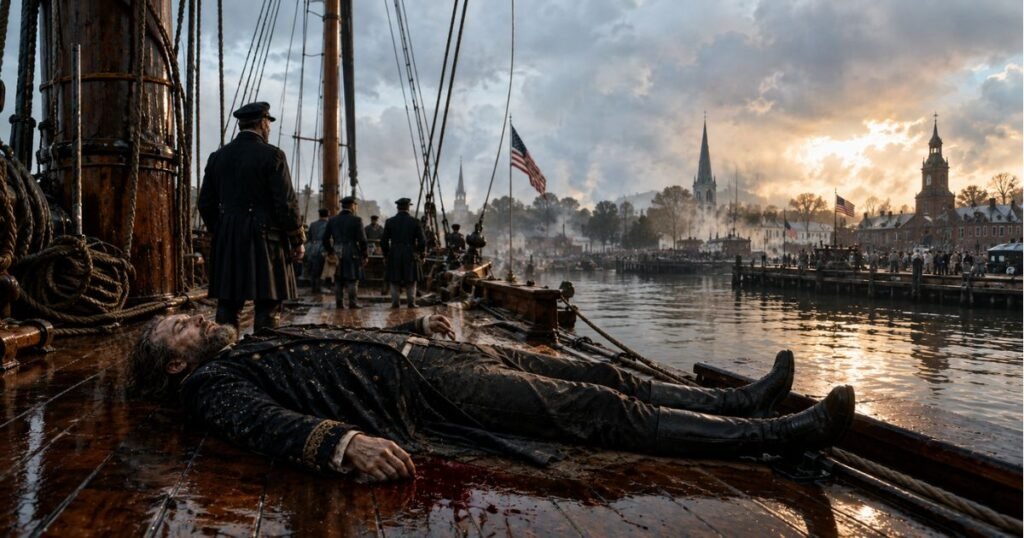
Read a clear, exam-ready analysis of “O Captain! My Captain!” with summary, themes, form, symbols, and Whitman’s historical context for honours-level study.
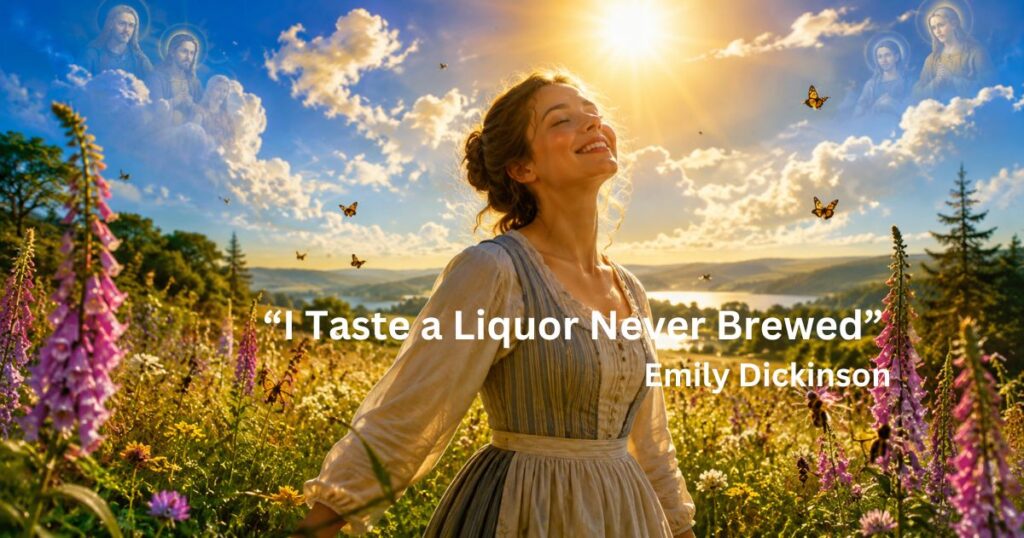
Emily Dickinson’s “I Taste a Liquor Never Brewed” presents nature as a dazzling source of spiritual intoxication, replacing alcohol with dew, sunlight, air, and summer beauty. Through vivid imagery, slant rhyme, and striking dashes, the poem transforms a simple encounter with nature into a joyful act of transcendence and rebellion against restraint. This study guide offers a clear, exam-ready reading of the poem’s themes, form, context, and critical significance.
Emily Dickinson’s I Taste a Liquor Never Brewed: Study Guide Read More »
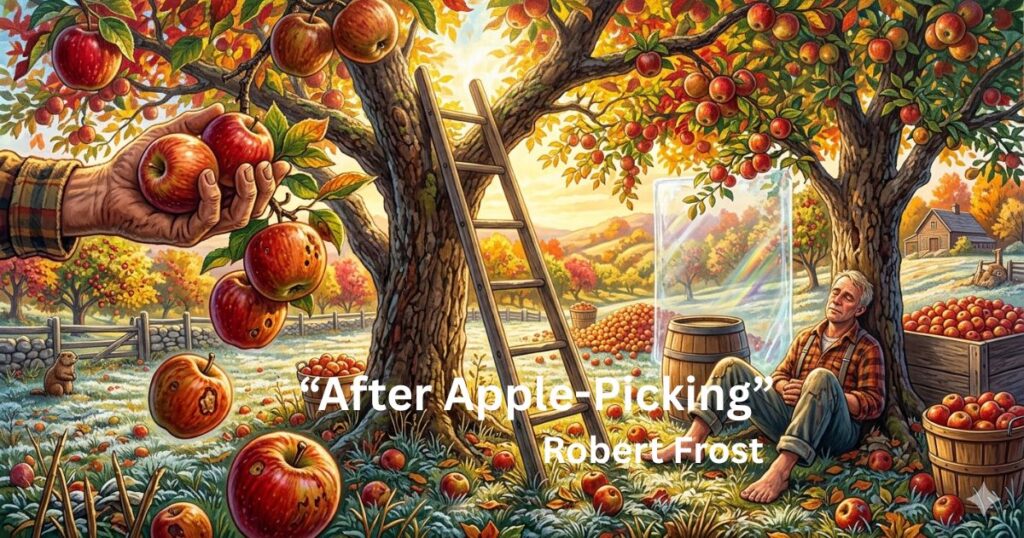
Step into Robert Frost’s drowsy New England orchard with this ultimate study guide to “After Apple-Picking,” where a weary harvester’s lingering ache blurs the line between labor, dreams, and death. Packed with biography, line-by-line breakdowns, sound devices, major themes like perfectionism and unreliable perception, plus exam-ready revision questions, it transforms complex analysis into clear, reflective insights for BA Honours students. Discover why Frost’s 1914 masterpiece still haunts readers—grab your ladder and dive into the harvest of meaning today.
“AFTER APPLE-PICKING” ROBERT FROST Read More »
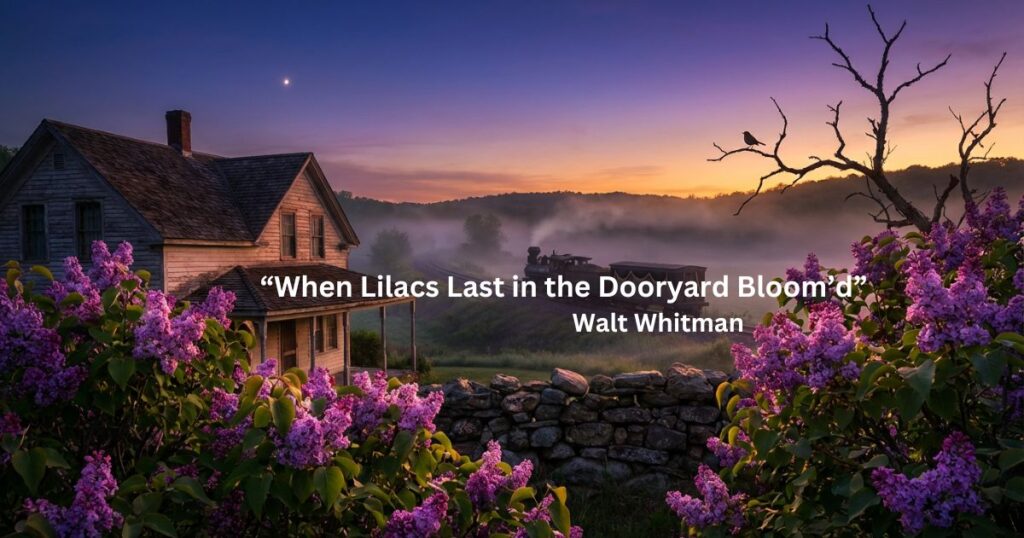
This in-depth guide explores Walt Whitman’s When Lilacs Last in the Dooryard Bloom’d, his great elegy for Abraham Lincoln and for a nation shattered by civil war. It unpacks the poem’s central symbols—the lilac, the fallen western star, and the hermit thrush—to show how Whitman turns private grief into a democratic ritual of remembrance. Blending biography, historical context, and close reading, the article reveals why this free verse masterpiece still speaks powerfully to modern experiences of loss, trauma, and collective healing.
“WHEN LILACS LAST IN THE DOORYARD BLOOM’D”: WHITMAN’S ELEGY FOR LINCOLN Read More »

A kestrel wheeling through the dawn sky becomes, in Hopkins’s “The Windhover,” a living icon of Christ’s glory, fusing raw natural power with spiritual revelation. The study guide explores how Hopkins’s innovative sprung rhythm, dense imagery, and concepts like “inscape” and “instress” turn a single moment of observation into a meditation on beauty, sacrifice, and divine presence. It also traces the poem’s Jesuit background, theological depth, and lasting influence on modern poetry and nature writing
“THE WINDHOVER” GERARD MANLEY HOPKINS Read More »

Emily Dickinson’s “I felt a Funeral, in my Brain” is one of the most haunting and psychologically rich poems in American literature. This in-depth study explores the poem’s imagery, symbolism, themes, and dramatic depiction of a collapsing consciousness. Through stanza-by-stanza analysis, biographical insights, historical context, and critical interpretation, the article reveals how Dickinson transforms a funeral ritual into a powerful metaphor for mental breakdown, existential dread, and the fragility of reason. A comprehensive guide for students, researchers, and lovers of poetry seeking to understand the emotional and philosophical depth of this masterpiece.
EMILY DICKINSON’S “I FELT A FUNERAL, IN MY BRAIN”: COMPLETE ANALYSIS & INTERPRETATION Read More »

“Wild Nights Wild Nights!” by Emily Dickinson is a very shocking poem in American literature. Within a few lines, Dickinson manages to condense something unbelievable: the raw, overwhelming power of longing. Composed sometime in 1861, this poem is quite literally a poem of passion, the language of ships and seas being benignly employed to denote material lust as well as spiritual longing.
Passion and Poetry in Emily Dickinson’s “Wild Nights” Read More »