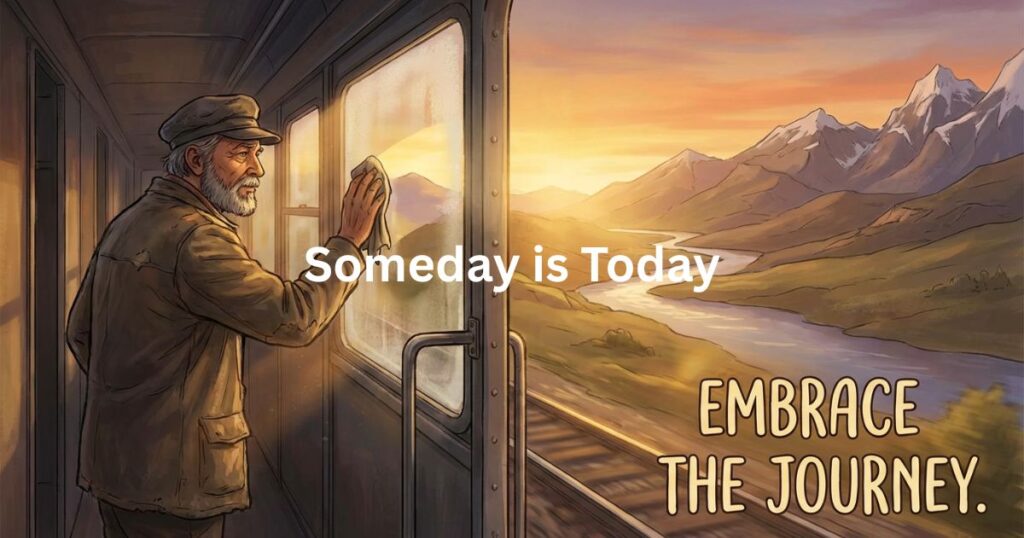
STOP WAITING FOR SOMEDAY: AN HONEST LOOK AT AGING, REGRET, AND LIVING NOW

A 73-year-old man looks back on the cardiac event that shattered his comfortable autopilot life and forced him to confront how little he was truly living. He exposes the dangerous lie of “someday,” the empty chase for success, and the haunting weight of the roads we never take. This raw, urgent reflection challenges you to stop postponing joy and connection and to treat today as the only day you are guaranteed.

STOP WAITING FOR SOMEDAY: AN HONEST LOOK AT AGING, REGRET, AND LIVING NOW Read More »

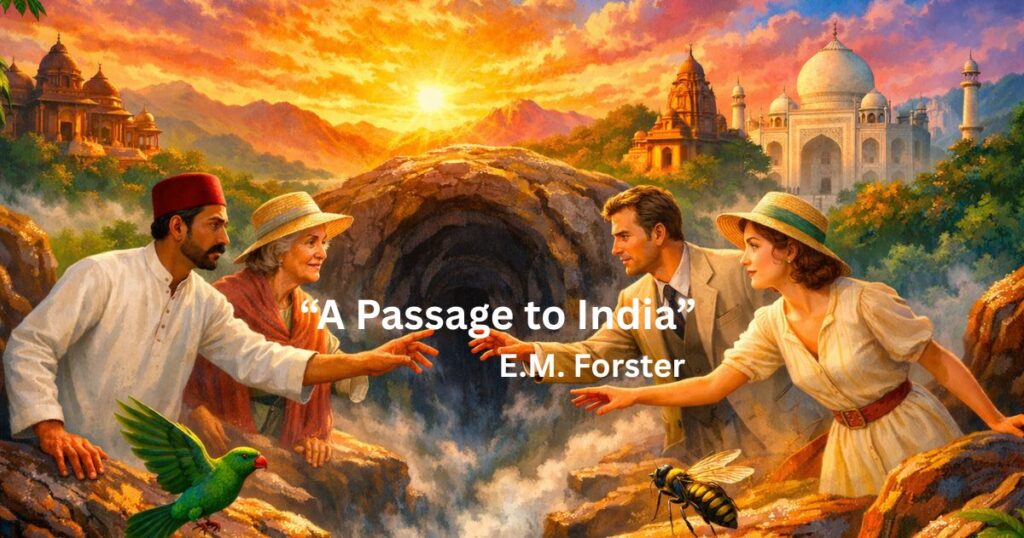
“A PASSAGE TO INDIA” STUDY GUIDE: THEMES, SYMBOLS & ANALYSIS

Discover E.M. Forster’s masterful critique of colonialism in A Passage to India, where cross-cultural friendships shatter amid racial tensions and echoing caves. This refined study guide unpacks rich themes like “not yet” connections, spiritual quests, and imperial muddles with modern relevance to today’s global divides. Dive into Forster’s life, symbols like the green bird, and why this 1924 classic still challenges our world.

“A PASSAGE TO INDIA” STUDY GUIDE: THEMES, SYMBOLS & ANALYSIS Read More »

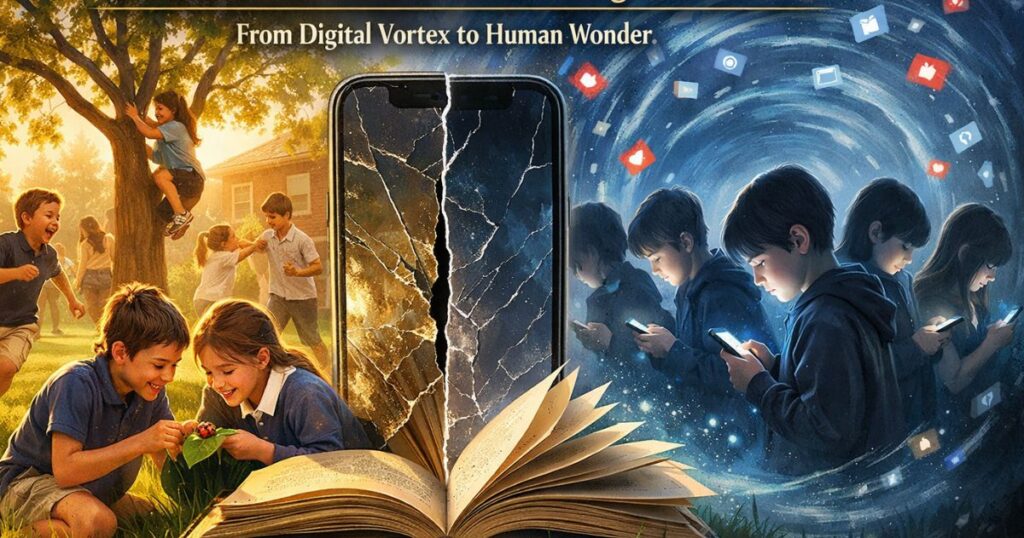
THE STOLEN GAZE: RECLAIM CHILDHOOD FROM DIGITAL SCREENS

Two professionals miss real connection on a London bus, mirroring how smartphones steal children’s gaze from playground joy to glowing screens. Hard data reveals surging teen suicides, myopia epidemics, and rewired brains—yet EdTech promises fall flat as even tech pioneers limited their kids’ use. Reclaim childhood through phone bans, low-tech schools, and human skills AI can’t touch: messy play, deep focus, and ladybug wonders.[

THE STOLEN GAZE: RECLAIM CHILDHOOD FROM DIGITAL SCREENS Read More »

“WAITING FOR GODOT” ANALYSIS: CHARACTERS, SYMBOLS & EXISTENTIAL INSIGHTS

Two tramps wait endlessly under a barren tree for the elusive Godot, trapped in repetitive banter and futile rituals that expose life’s absurd meaninglessness. Samuel Beckett’s tragicomedy blends dark humor with existential despair, challenging us to confront hope’s cruelty and time’s stagnation. This student guide unpacks plot, characters, symbols, and modern relevance—proving why the play still haunts our scroll-trap world.

“WAITING FOR GODOT” ANALYSIS: CHARACTERS, SYMBOLS & EXISTENTIAL INSIGHTS Read More »

LOVE AS ACTION: PHILOSOPHICAL LESSONS AND DAILY CHALLENGES TO LIVE BRAVELY

Discover love’s true power beyond fleeting feelings—it’s selfless action that bridges isolation, as ancient philosophers and modern thinkers like Brené Brown reveal. Arjun’s vivid journey from lonely villager to community hero, where radical kindness during a devastating storm weaves unbreakable bonds of belonging. Embrace three daily challenges to make love your practice, turning personal growth into a ripple of compassion that transforms lives and worlds.

LOVE AS ACTION: PHILOSOPHICAL LESSONS AND DAILY CHALLENGES TO LIVE BRAVELY Read More »

NATURE AND THE SUBLIME IN ROMANTIC POETRY

This blog explores how Romantic poets turned mountains, storms, oceans, and quiet autumn fields into gateways to the sublime—experiences of awe, terror, and spiritual insight that go far beyond simple beauty. Moving from Burke and Kant’s theories to close readings of Wordsworth, Coleridge, Shelley, and Keats, it shows how nature becomes a living presence, moral teacher, and mirror of the inner self in their poetry.

NATURE AND THE SUBLIME IN ROMANTIC POETRY Read More »

BERTRAND RUSSELL EXPLAINED: BIOGRAPHY, KEY IDEAS, AND LASTING LEGACY

Bertrand Russell (1872–1970) was a pioneering philosopher, logician, and Nobel Prize–winning writer whose life joined razor-sharp reasoning with fearless moral courage. From Principia Mathematica and his critiques of religion to bold stances on war, nuclear weapons, education, and sexual ethics, he used clear thinking as a tool for both truth and justice. His legacy challenges readers today to “remember your humanity, and forget the rest,” uniting love, knowledge, and activism in a single, demanding ideal.

BERTRAND RUSSELL EXPLAINED: BIOGRAPHY, KEY IDEAS, AND LASTING LEGACY Read More »