English Literature

We create a hub of English Literature

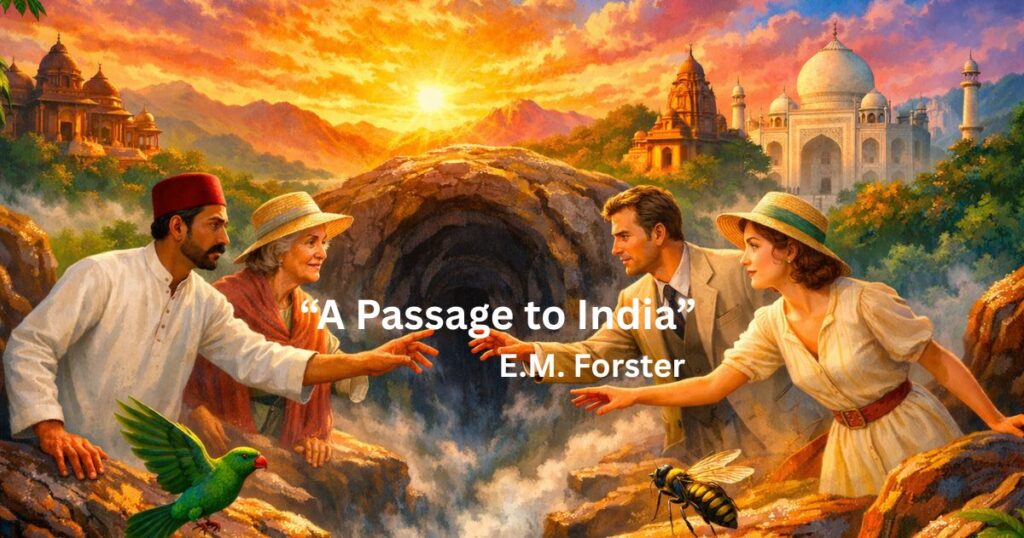
“A PASSAGE TO INDIA” STUDY GUIDE: THEMES, SYMBOLS & ANALYSIS

Discover E.M. Forster’s masterful critique of colonialism in A Passage to India, where cross-cultural friendships shatter amid racial tensions and echoing caves. This refined study guide unpacks rich themes like “not yet” connections, spiritual quests, and imperial muddles with modern relevance to today’s global divides. Dive into Forster’s life, symbols like the green bird, and why this 1924 classic still challenges our world.

“A PASSAGE TO INDIA” STUDY GUIDE: THEMES, SYMBOLS & ANALYSIS Read More »

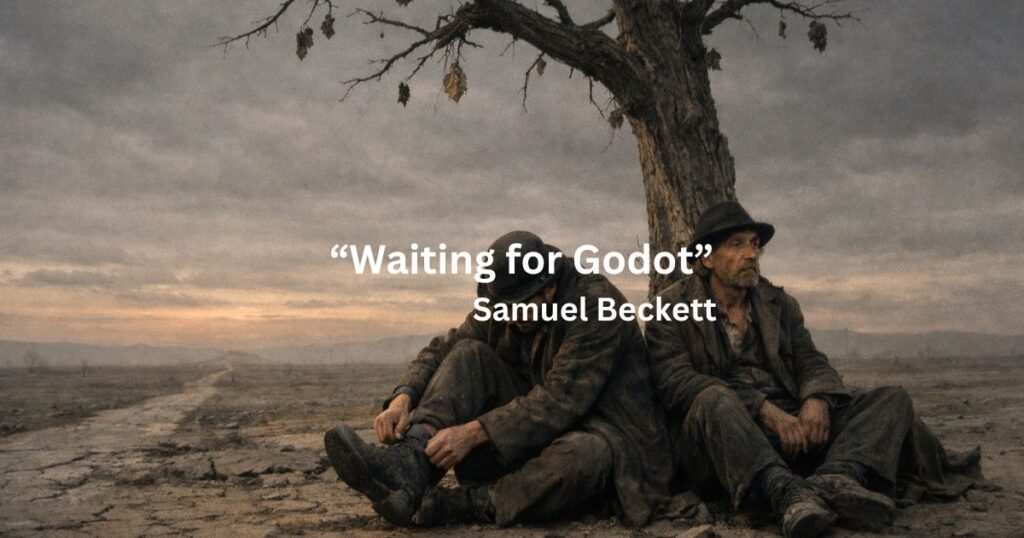
“WAITING FOR GODOT” ANALYSIS: CHARACTERS, SYMBOLS & EXISTENTIAL INSIGHTS

Two tramps wait endlessly under a barren tree for the elusive Godot, trapped in repetitive banter and futile rituals that expose life’s absurd meaninglessness. Samuel Beckett’s tragicomedy blends dark humor with existential despair, challenging us to confront hope’s cruelty and time’s stagnation. This student guide unpacks plot, characters, symbols, and modern relevance—proving why the play still haunts our scroll-trap world.

“WAITING FOR GODOT” ANALYSIS: CHARACTERS, SYMBOLS & EXISTENTIAL INSIGHTS Read More »

“HEART OF DARKNESS” EXPLAINED: THEMES, SUMMARY, AND CHARACTERS

Joseph Conrad’s Heart of Darkness follows Marlow’s haunting journey up the Congo River, where a simple steamboat job becomes a psychological descent into the darkest corners of human nature. As he seeks the brilliant but terrifying Kurtz, Marlow discovers the brutal reality of European colonialism and the thin veneer of what we call “civilization.” The guide to this novel explores its gripping plot, unforgettable characters, and powerful questions about evil, empire, and the “darkness within.”

“HEART OF DARKNESS” EXPLAINED: THEMES, SUMMARY, AND CHARACTERS Read More »

: How Stories Shape Power and Identity Feminism-and-Gender-in-English-Literature

FEMINISM AND GENDER IN ENGLISH LITERATURE: KEY TEXTS, THEORIES, AND THEMES

Feminism and gender in English literature reveal how stories shape and challenge ideas about power, identity, and whose lives are considered valuable. From medieval epics to contemporary fiction, writers reimagine women’s roles, question rigid masculinity, and explore intersectional experiences of race, class, and sexuality. This article offers an accessible guide to key theories, landmark texts, and evolving representations that show how literature can both reinforce inequality and inspire social change.

FEMINISM AND GENDER IN ENGLISH LITERATURE: KEY TEXTS, THEORIES, AND THEMES Read More »

‘A DOLL’S HOUSE’ EXPLAINED: PLOT, CHARACTERS, AND FEMINIST THEMES IN IBSEN’S PLAY

This in-depth study guide to Henrik Ibsen’s A Doll’s House takes you inside Nora Helmer’s seemingly perfect Christmas home to reveal the secrets, lies, and power imbalances that shatter her “doll” marriage. Moving act by act, it unpacks the plot, character arcs, symbols, and feminist themes that made Nora’s final door slam one of the most shocking moments in theatre history. Ideal for students, teachers, and literature lovers, the article shows how Ibsen’s realist drama still challenges modern audiences to question gender roles, identity, freedom, and what it really means to live authentically.

‘A DOLL’S HOUSE’ EXPLAINED: PLOT, CHARACTERS, AND FEMINIST THEMES IN IBSEN’S PLAY Read More »

“Oroonoko” by Aphra Behn

OROONOKO: A GUIDE TO APHRA BEHN’S MASTERWORK

Aphra Behn’s Oroonoko, or The Royal Slave tells the haunting story of an African prince betrayed into slavery, whose courage, love, and unbreakable sense of honor expose the brutal hypocrisy of so called “civilized” European colonizers. Set between West Africa and the lush yet deadly plantations of Surinam, the narrative follows Oroonoko and his beloved Imoinda as they are torn from royal privilege and forced into a system that tries—but ultimately fails—to crush their dignity. Blending eyewitness reportage with tragic romance, the guide shows how Oroonoko became one of the earliest English works to question slavery and empire, while also inviting modern readers to wrestle with its powerful insights and troubling racial biases.

OROONOKO: A GUIDE TO APHRA BEHN’S MASTERWORK Read More »

EXPLORING COLONIALISM IN ENGLISH LITERATURE

“EXPLORING COLONIALISM IN ENGLISH LITERATURE: FROM EMPIRE TO POSTCOLONIAL VOICES.”

Colonialism has profoundly shaped English literature, with many classic works justifying the empire and portraying colonized peoples as inferior. However, postcolonial literature emerged as a powerful response, offering new voices and perspectives from formerly colonized nations, reclaiming history, and challenging imperial narratives.

“EXPLORING COLONIALISM IN ENGLISH LITERATURE: FROM EMPIRE TO POSTCOLONIAL VOICES.” Read More »