English Literature

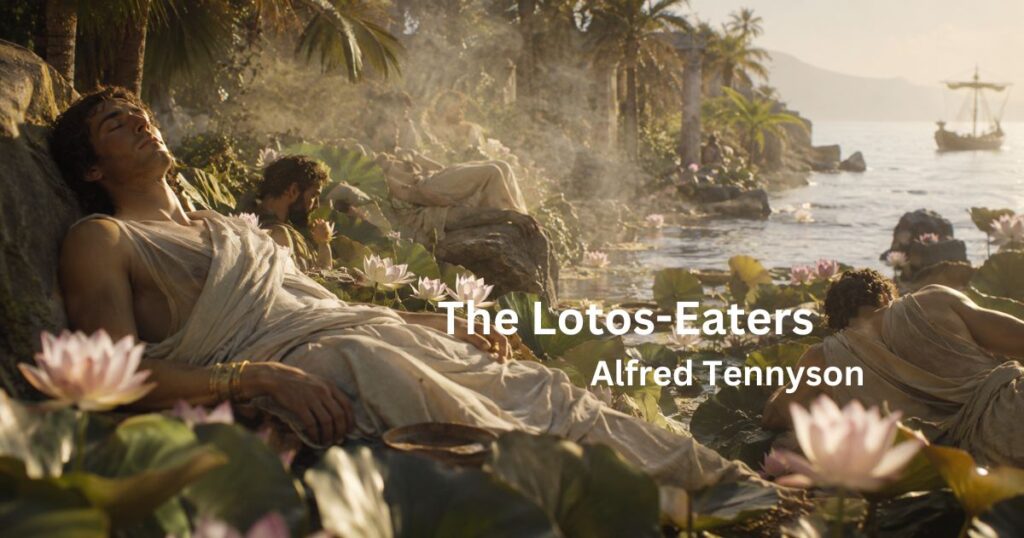
The Lotos Eaters

The Lotos-Eaters Study Guide: Themes, Summary, and Analysis

Alfred, Lord Tennyson’s “The Lotos-Eaters” presents a haunting vision of sailors who, after eating the lotus, become unwilling to continue their journey home. The poem explores the tension between duty and rest, showing how exhaustion, beauty, and temptation can weaken the human will. Through its distinctive structure, rich imagery, and philosophical tone, Tennyson leaves readers to question whether surrender is weakness or a deeply human response to suffering.

The Lotos-Eaters Study Guide: Themes, Summary, and Analysis Read More »
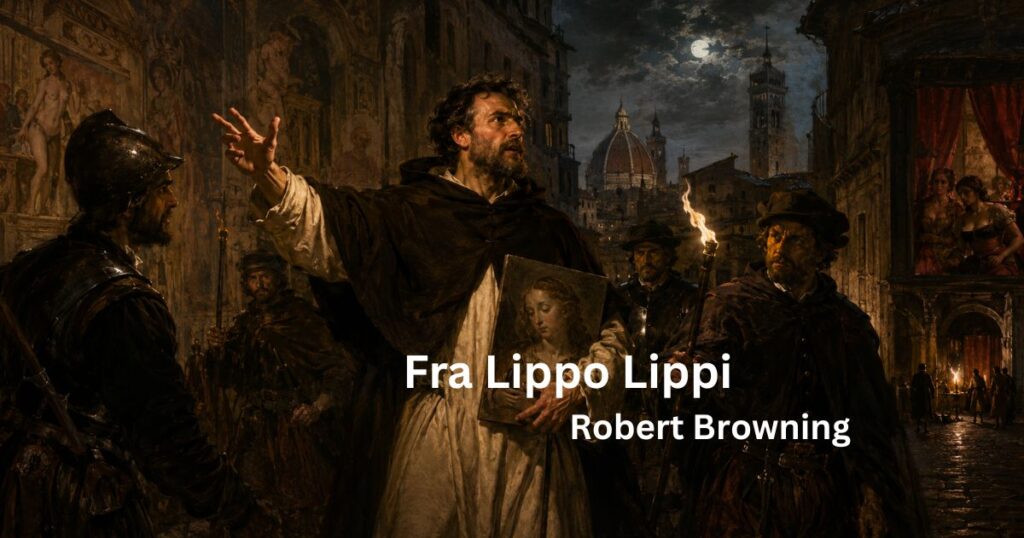
Fra Lippo Lippi

Robert Browning’s Fra Lippo Lippi Analysis

Robert Browning’s “Fra Lippo Lippi” is a dramatic monologue in which a Renaissance monk-painter, caught in a compromising situation, argues passionately for art that reflects the real, physical world. The study guide explores the poem’s historical background, central themes, structure, language, and critical significance with special attention to Browning’s views on realism, spirituality, and artistic compromise. It is designed to help Honours students understand not only what the poem says, but how Browning uses voice, irony, and vivid detail to make his argument unforgettable.

Robert Browning’s Fra Lippo Lippi Analysis Read More »

EXPLORING COLONIALISM IN ENGLISH LITERATURE

“EXPLORING COLONIALISM IN ENGLISH LITERATURE: FROM EMPIRE TO POSTCOLONIAL VOICES.”

Colonialism has profoundly shaped English literature, with many classic works justifying the empire and portraying colonized peoples as inferior. However, postcolonial literature emerged as a powerful response, offering new voices and perspectives from formerly colonized nations, reclaiming history, and challenging imperial narratives.

“EXPLORING COLONIALISM IN ENGLISH LITERATURE: FROM EMPIRE TO POSTCOLONIAL VOICES.” Read More »

The Way of the World

THE WAY OF THE WORLD: A TIMELESS COMEDY OF MANNERS

William Congreve’s “The Way of the World” is a sparkling Restoration comedy where love, money, and manipulation collide in a world of sharp wit and dangerous secrets. At its heart is the unconventional romance between Mirabell and Millamant, two brilliant minds who outsmart greedy schemers and negotiate a surprisingly modern, equal marriage on their own terms. Packed with satire, intrigue, and rapid-fire dialogue, the play exposes how people perform, deceive, and still manage to find genuine connection in a society obsessed with appearances and fortune.

THE WAY OF THE WORLD: A TIMELESS COMEDY OF MANNERS Read More »

The Last Ride Together

“THE LAST RIDE TOGETHER” BY ROBERT BROWNING

Experience Robert Browning’s “The Last Ride Together,” where heartbreak turns into a celebration of living fully in the present moment. This dramatic monologue follows a rejected lover whose final horseback ride with his beloved inspires gratitude over regret, revealing deep wisdom about acceptance and human imperfection. The poem’s vivid imagery and rhythmic verse transform loss into hope, reminding us that real joy is found in embracing life as it comes.

“THE LAST RIDE TOGETHER” BY ROBERT BROWNING Read More »

War and Conflict in English Literature

WAR AND CONFLICT IN 20TH CENTURY ENGLISH LITERATURE

Twentieth-century English literature uses war and conflict not only to chronicle battles but to probe deep psychological, social, and moral wounds, transforming narrative form and challenging audiences to confront trauma, memory, and ethical ambiguity. Through works by figures like Wilfred Owen, Virginia Woolf, and George Orwell, these texts create lasting conversation about identity, resilience, and the lingering impact of violence.

WAR AND CONFLICT IN 20TH CENTURY ENGLISH LITERATURE Read More »