Greek

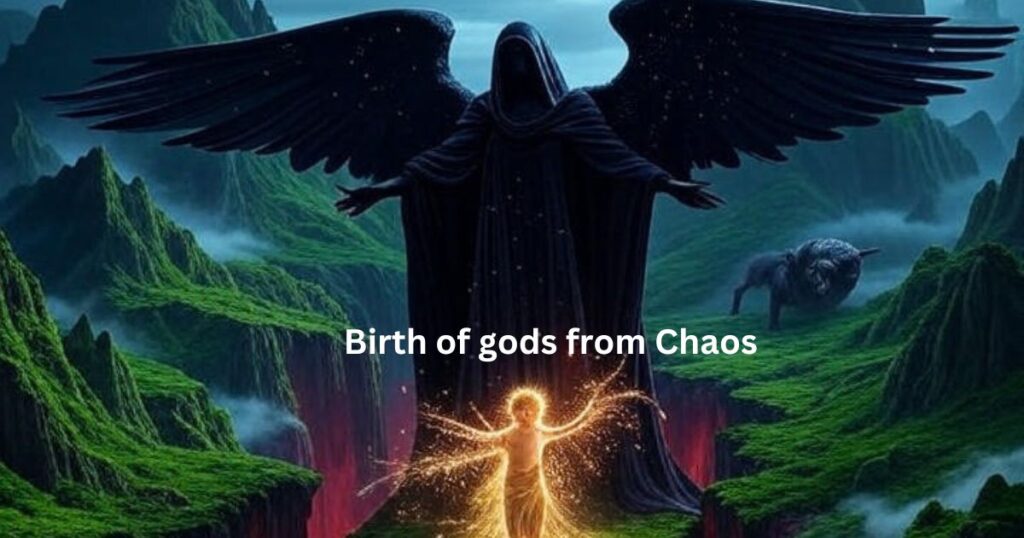
Birth of Gods from Chaos1

EXPLORING GREEK MYTHOLOGY

Introduction- Imagine a time before time, a vast void in which nothing moved—no light broke through the darkness, no shape emerged, and silence was the norm. Chaos existed before the gods of Olympus thundered across the skies and the powerful Titans engaged in epic battles. This is the mystery of beginnings, the conundrum that the

EXPLORING GREEK MYTHOLOGY Read More »

antigone1

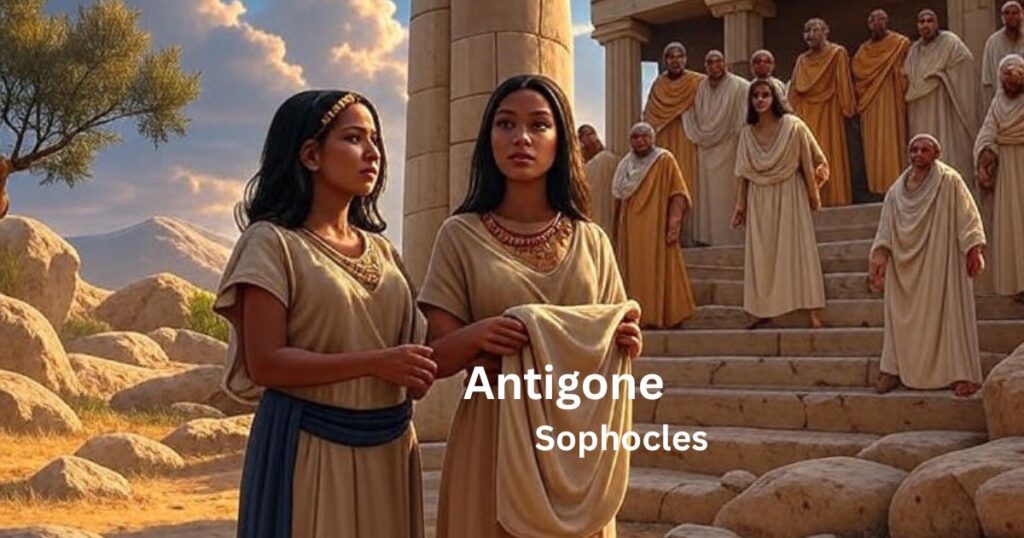
Antigone by Sophocles: Duty and Defiance

Introduction Antigone, a Greek tragedy by Sophocles, explores the conflict between individual conscience and state authority. Written around 441 BCE, it follows Antigone, a young woman who defies King Creon’s edict to bury her brother Polyneices. The play explores duty, morality, and the consequences of inflexible principles, highlighting the human spirit and societal tensions. Its

Antigone by Sophocles: Duty and Defiance Read More »

The Evolution of Lyric Poetry

Lyric Poetry Through the Ages: Ancient, Renaissance, and Modernist Movements

Introduction: Lyric poetry is a form of intimate expression that captures the personal emotions and thoughts of the poet in a concise, musical form. It is introspective and often addresses the reader directly with a singular, subjective voice. The name “lyric” comes from the Greek word “lyre,” a stringed instrument that accompanied early poetic recitations.

Lyric Poetry Through the Ages: Ancient, Renaissance, and Modernist Movements Read More »

odepus1

Why Oedipus Rex Is the Ultimate Greek Tragedy

Introduction: Sophocles’ Oedipus Rex is a timeless exploration of fate, free will, and the human condition. Written in the 5th century BCE, it tells the story of Oedipus, a man doomed by prophecy to commit heinous acts. The play’s profound questions about destiny, self-discovery, and moral responsibility resonate across cultures and eras. Its stylistic elegance

Why Oedipus Rex Is the Ultimate Greek Tragedy Read More »