
close reading

I Taste a Liquor Never Brewed Emily Dickinson

Emily Dickinson’s I Taste a Liquor Never Brewed: Study Guide

Emily Dickinson’s “I Taste a Liquor Never Brewed” presents nature as a dazzling source of spiritual intoxication, replacing alcohol with dew, sunlight, air, and summer beauty. Through vivid imagery, slant rhyme, and striking dashes, the poem transforms a simple encounter with nature into a joyful act of transcendence and rebellion against restraint. This study guide offers a clear, exam-ready reading of the poem’s themes, form, context, and critical significance.

Emily Dickinson’s I Taste a Liquor Never Brewed: Study Guide Read More »
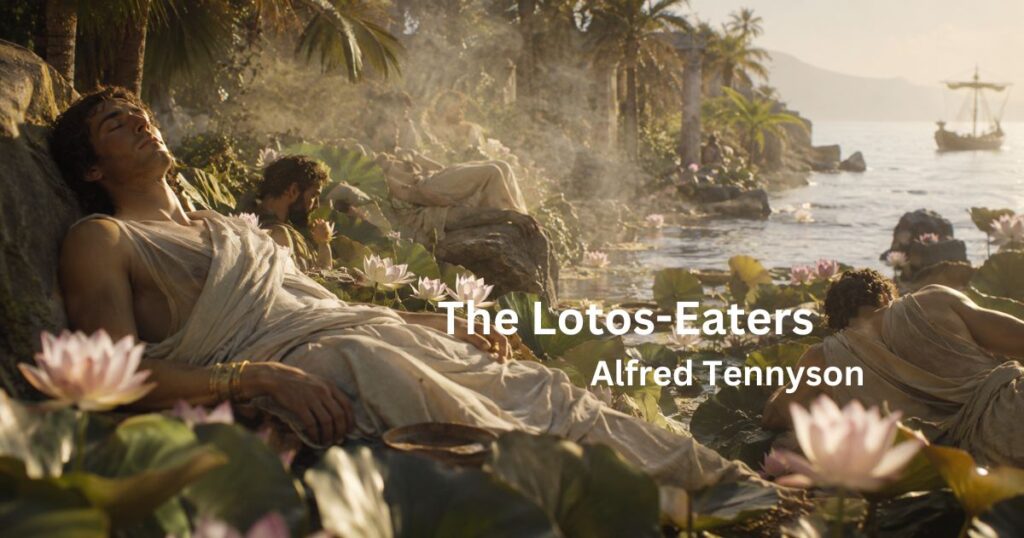
The Lotos Eaters

The Lotos-Eaters Study Guide: Themes, Summary, and Analysis

Alfred, Lord Tennyson’s “The Lotos-Eaters” presents a haunting vision of sailors who, after eating the lotus, become unwilling to continue their journey home. The poem explores the tension between duty and rest, showing how exhaustion, beauty, and temptation can weaken the human will. Through its distinctive structure, rich imagery, and philosophical tone, Tennyson leaves readers to question whether surrender is weakness or a deeply human response to suffering.

The Lotos-Eaters Study Guide: Themes, Summary, and Analysis Read More »

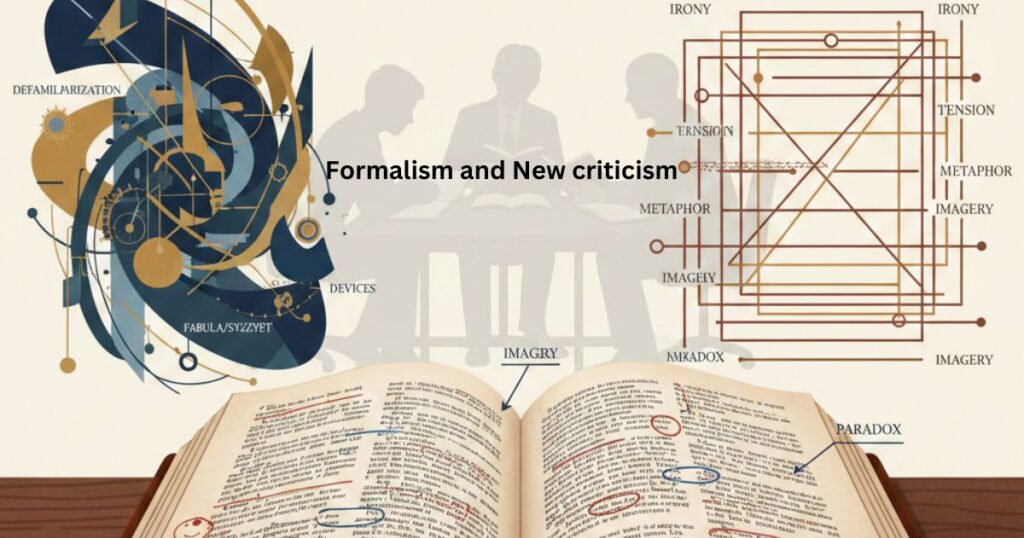
Formalism and New criticism

UNDERSTANDING FORMALISM AND NEW CRITICISM: TEXTUAL AUTONOMY, CLOSE READING, AND CONTEMPORARY RELEVANCE

This article introduces readers to Formalism and New Criticism, the movements that transformed literary study by focusing on “the text itself” and developing close reading as a rigorous method. It clearly explains key concepts like literariness, defamiliarization, fabula and syuzhet, organic unity, and the fallacies of intention and affect, using accessible examples and classroom-oriented explanations. The article also explores the strengths, limitations, and lasting legacy of these approaches, showing how their methods still shape narratology, stylistics, film studies, and digital humanities today.

UNDERSTANDING FORMALISM AND NEW CRITICISM: TEXTUAL AUTONOMY, CLOSE READING, AND CONTEMPORARY RELEVANCE Read More »