Lyric

Wild Nights Wild Nights Emily Dickinson

Passion and Poetry in Emily Dickinson’s “Wild Nights”

“Wild Nights Wild Nights!” by Emily Dickinson is a very shocking poem in American literature. Within a few lines, Dickinson manages to condense something unbelievable: the raw, overwhelming power of longing. Composed sometime in 1861, this poem is quite literally a poem of passion, the language of ships and seas being benignly employed to denote material lust as well as spiritual longing.

Passion and Poetry in Emily Dickinson’s “Wild Nights” Read More »

Ode on Melancholy John Keats

The Deep Meaning of “Ode on Melancholy”

Introduction- Imagine receiving advice from someone who truly understands sadness—not the kind who tells you to “cheer up” or “look on the bright side,” but someone who says, “Feel it. All of it. There’s something precious here if you’re brave enough to look.” That’s what John Keats offers us in “Ode on Melancholy,” written in

The Deep Meaning of “Ode on Melancholy” Read More »

Add a heading 4

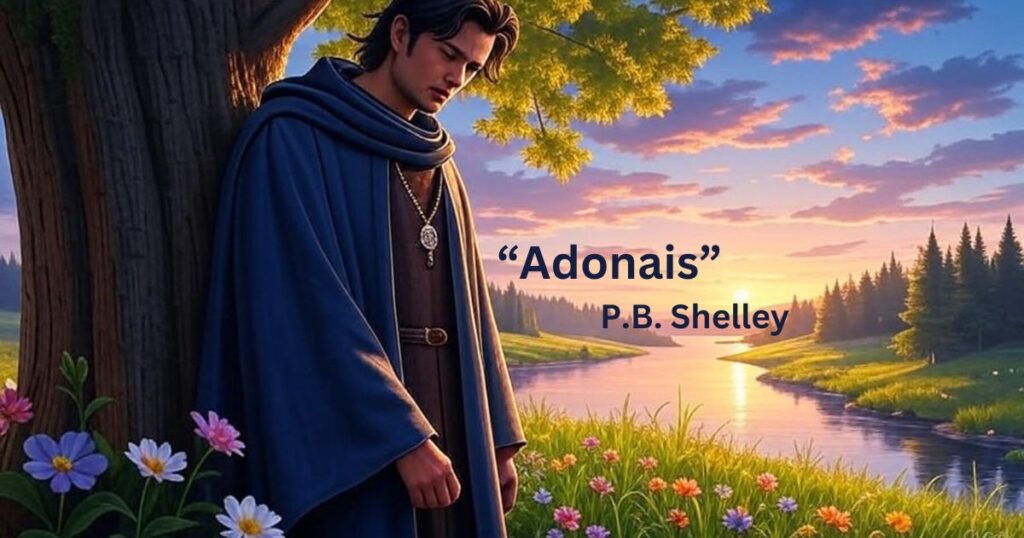
Understanding “Adonais”: Shelley’s Tribute to Keats

Introduction- Imagine losing a fellow artist whose brilliance you deeply admired—someone cut down in the prime of life. This is the heartbreak that drove Percy Bysshe Shelley to write “Adonais” in 1821, one of the most beautiful elegies in English literature. This 495-line poem mourns John Keats, who died at just 25 from tuberculosis. Shelley,

Understanding “Adonais”: Shelley’s Tribute to Keats Read More »

Add a heading 3

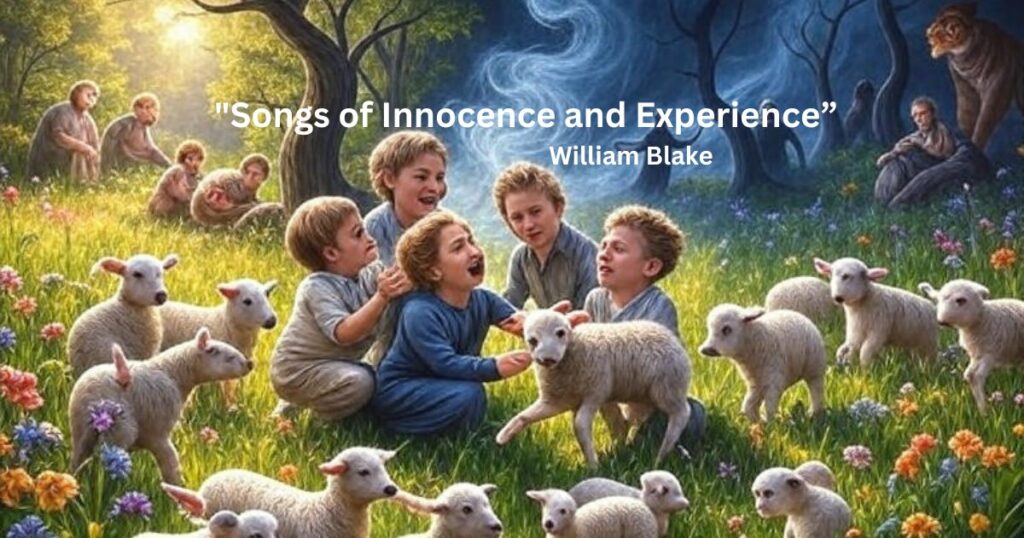
Discovering William Blake’s Songs of Innocence and Experience

Introduction- William Blake (1757-1827) was an English poet, painter, engraver, and visionary who saw the world differently from most. Born in London to a working-class family with nonconformist religious beliefs, Blake showed remarkable artistic talent from an early age. At fourteen, he became an engraver’s apprentice, later studying at the Royal Academy. During his lifetime,

Discovering William Blake’s Songs of Innocence and Experience Read More »

Kubla Khan S.T.Coleridge

In-Depth Study Guide to Coleridge’s “Kubla Khan”

Introduction- “Kubla Khan,” subtitled “Or, a Vision in a Dream. A Fragment,” stands among Samuel Taylor Coleridge’s most mysterious and celebrated works. Written in 1797 and published in 1816, this Romantic masterpiece emerged from what Coleridge described as an opium-induced dream vision of Xanadu, the legendary pleasure palace of the Mongol emperor Kublai Khan. The

In-Depth Study Guide to Coleridge’s “Kubla Khan” Read More »

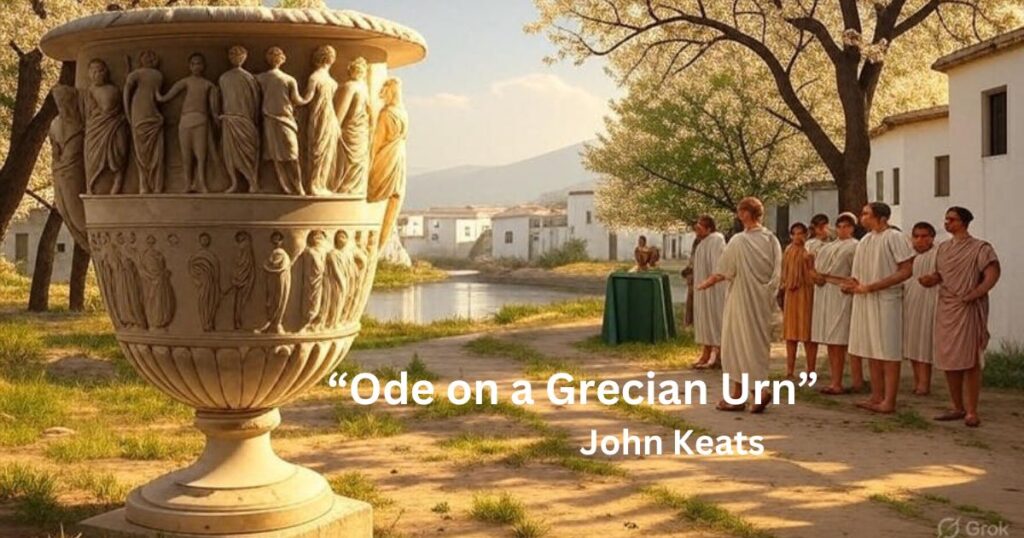
immortality Ode1

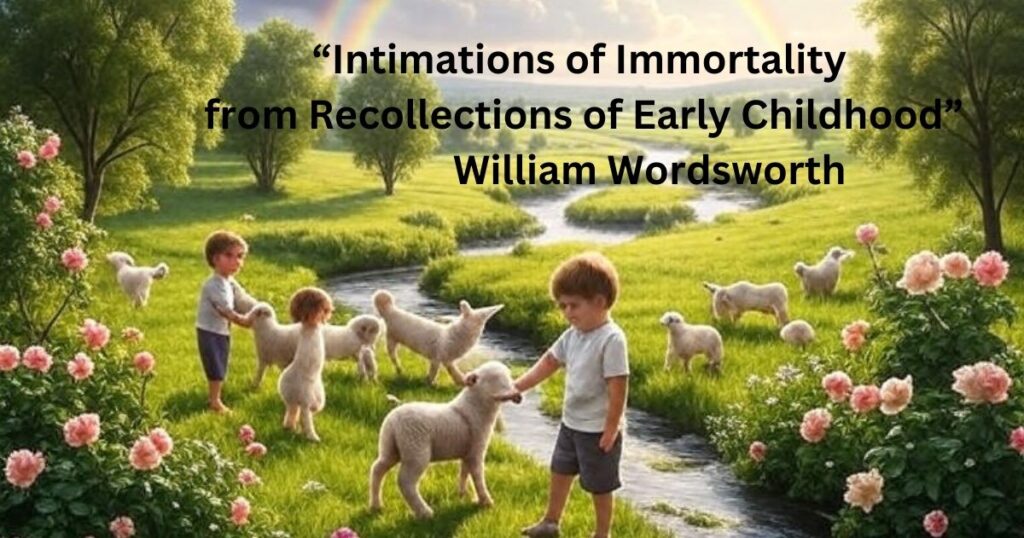
Intimations of Immortality: Wordsworth’s Timeless Childhood Vision

Introduction- William Wordsworth’s “Ode: Intimations of Immortality from Recollections of Early Childhood“, published in 1807, is a key work of Romantic poetry. It looks at how we lose our childhood’s natural connection to the divine and how memory lasts. People often call it the “Immortality Ode.”. It thinks about how people go from being innocent

Intimations of Immortality: Wordsworth’s Timeless Childhood Vision Read More »

hired man1

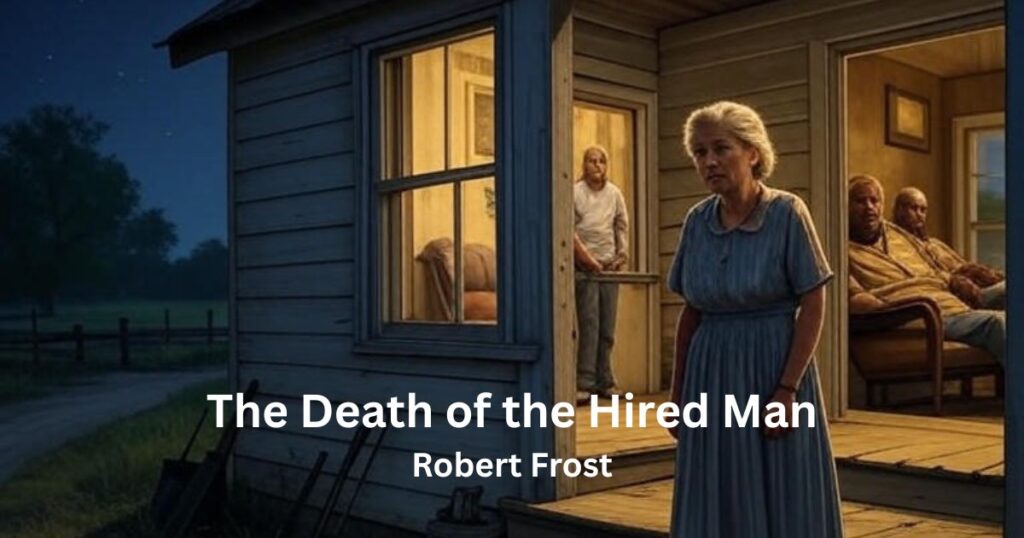
“The Death of the Hired Man”: Exploring Duty and Loyalty in Frost

Introduction: Robert Frost, the great American poet, published The Death of the Hired Man in 1914 alongside his North of Boston collection. The title relates to the death of hired worker Silas, who returns to his former company. Frost’s poetry frequently examines human interactions in rural environments, and this poem turns an apparently everyday occurrence

“The Death of the Hired Man”: Exploring Duty and Loyalty in Frost Read More »