
Lyric

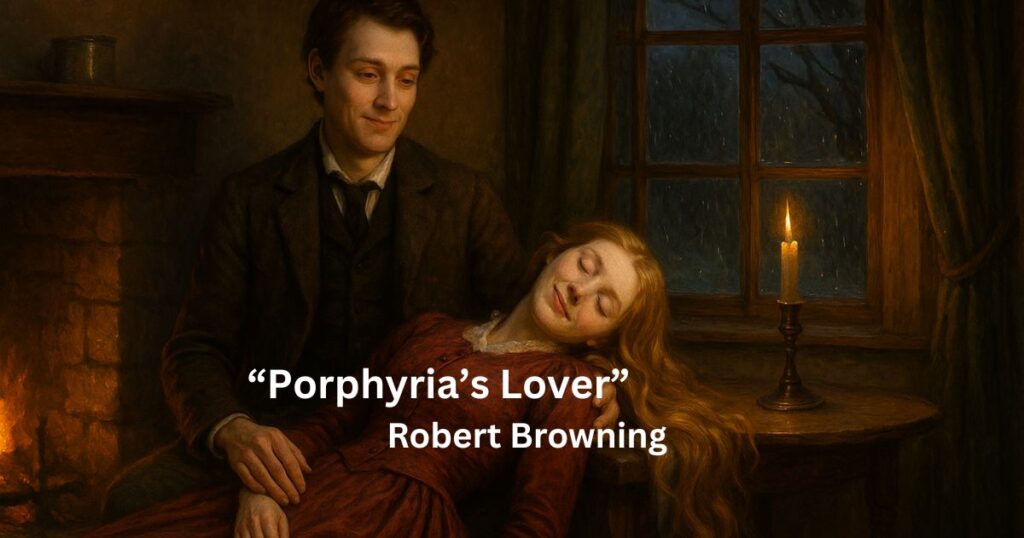
Porphyrias Lover

Analyzing Porphyria’s Lover: Robert Browning’s Chilling Tale of Obsession

Introduction: Robert Browning (1812–1889), a famous Victorian poet, is renowned for his dramatic monologues that delve into the intricacies of the human psyche. Porphyria’s Lover is one of his earliest and most controversial works, first published in 1836 as part of Dramatic Lyrics (later included in Dramatic Romances and Lyrics in 1845). It was first

Analyzing Porphyria’s Lover: Robert Browning’s Chilling Tale of Obsession Read More »

mending

Understanding Robert Frost’s ‘Mending Wall’: A Study of Boundaries and Human Nature

Introduction: Robert Frost’s Mending Wall, published in 1914, is a profound exploration of human relationships, tradition, and boundaries. Set in rural New England, the poem depicts the annual ritual of two neighbors repairing a stone wall that divides their properties. The poem, based on Frost’s personal experiences, reflects the cultural tensions of the early 20th

Understanding Robert Frost’s ‘Mending Wall’: A Study of Boundaries and Human Nature Read More »

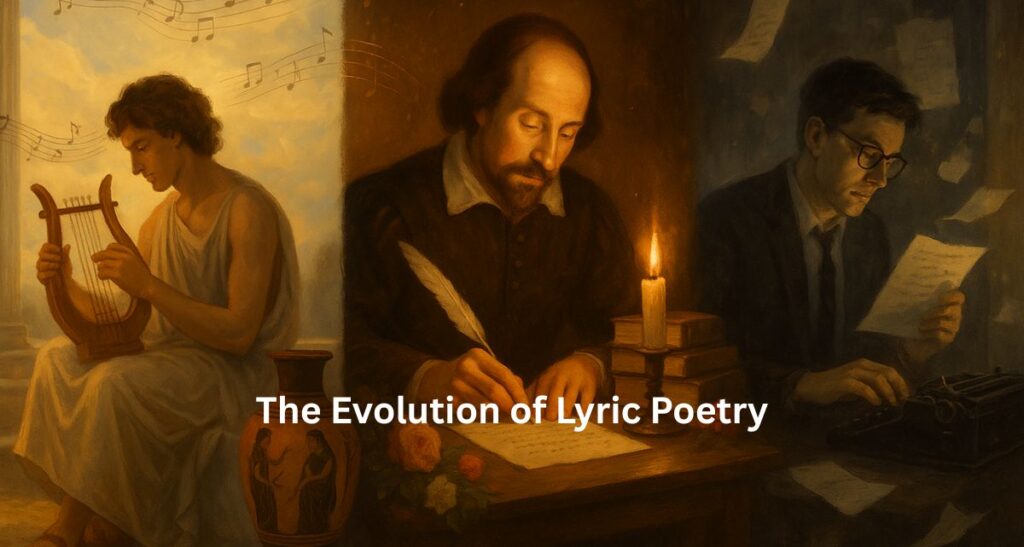
The Evolution of Lyric Poetry

Lyric Poetry Through the Ages: Ancient, Renaissance, and Modernist Movements

Introduction: Lyric poetry is a form of intimate expression that captures the personal emotions and thoughts of the poet in a concise, musical form. It is introspective and often addresses the reader directly with a singular, subjective voice. The name “lyric” comes from the Greek word “lyre,” a stringed instrument that accompanied early poetic recitations.

Lyric Poetry Through the Ages: Ancient, Renaissance, and Modernist Movements Read More »

Lines Composed a Few Miles above Tintern Abbey William Wordsworth

Tintern Abbey Analysis – Wordsworth’s Poetic Mastery

Introduction: “Tintern Abbey” is a notable poem by William Wordsworth, a distinguished British Romantic poet. The Romantic Era, spanning from 1785 to 1820, was a multifaceted literary movement encompassing poets, novelists, philosophers, and non-fiction authors. The movement was shaped by nature, aesthetics, veracity, and sentiments. The six primary poets linked to the movement were William

Tintern Abbey Analysis – Wordsworth’s Poetic Mastery Read More »

bookcover1

Analysis of Shakespeare’s Midsummer Night’s Dream

Introduction A Midsummer Night’s Dream is a timeless comedy that explores human desires and follies through love, magic, and mischief. Written during the Elizabethan era, it balances lighthearted humor with profound reflections on love, identity, and societal norms. The play’s enchanting exploration of love’s irrationality, power, and gender remains relevant in contemporary discussions, making it

Analysis of Shakespeare’s Midsummer Night’s Dream Read More »

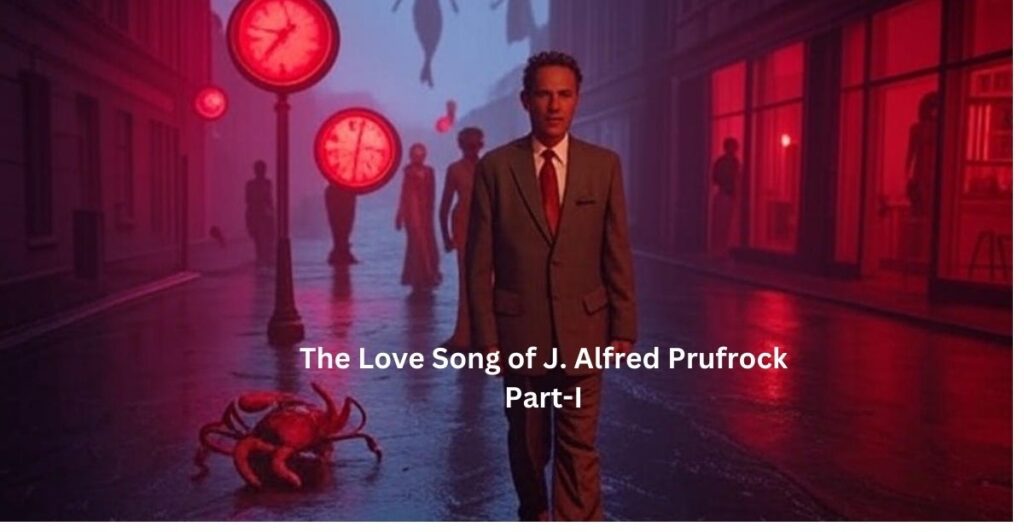
The Love Song of J. Alfred Prufrock

Understanding The Love Song of J. Alfred Prufrock: A Study Guide to T. S. Eliot’s Themes, Imagery, and Modernist Style

Eliot wrote Prufrock during a period of personal and artistic transition, between 1910 and 1911, while he was a young man in his early twenties, studying in Paris and later at Harvard. The poem reflects the cultural and intellectual ferment of the early 20th century, a time marked by urbanization, the aftermath of industrialization, and the anxieties of modernity.

Understanding The Love Song of J. Alfred Prufrock: A Study Guide to T. S. Eliot’s Themes, Imagery, and Modernist Style Read More »

blog 7F

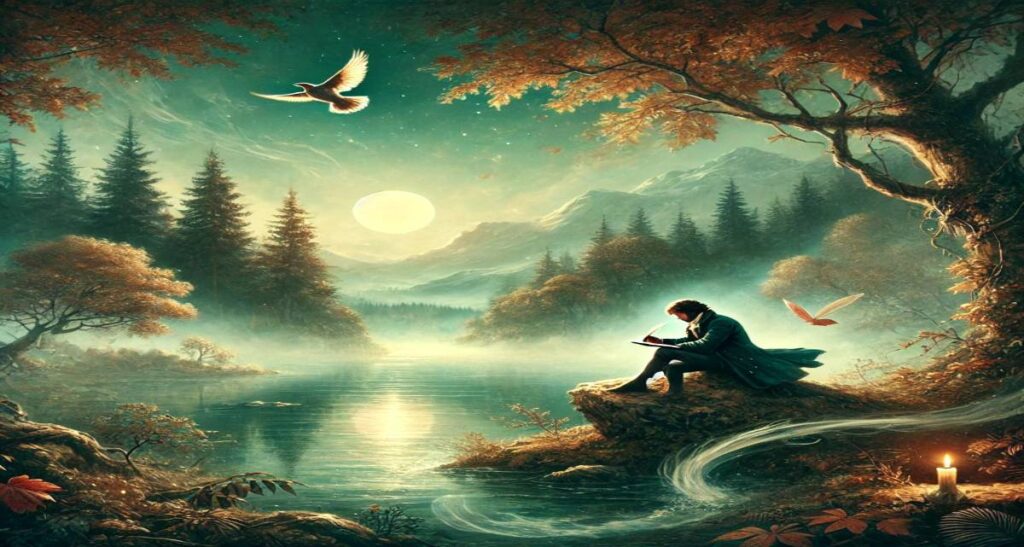
Exploring the Passionate Heart of Poetry: The Romantic Movement and Its Poets

The Romantic Movement, a transformative era in literature and the arts, emerged in the late 18th century as a profound reaction against the Enlightenment’s rationalism and the Industrial Revolution’s mechanization. This period celebrated emotion, individualism, and the sublime beauty of nature, offering a stark contrast to the preceding age’s emphasis on reason and order.

Exploring the Passionate Heart of Poetry: The Romantic Movement and Its Poets Read More »

blog 4 F

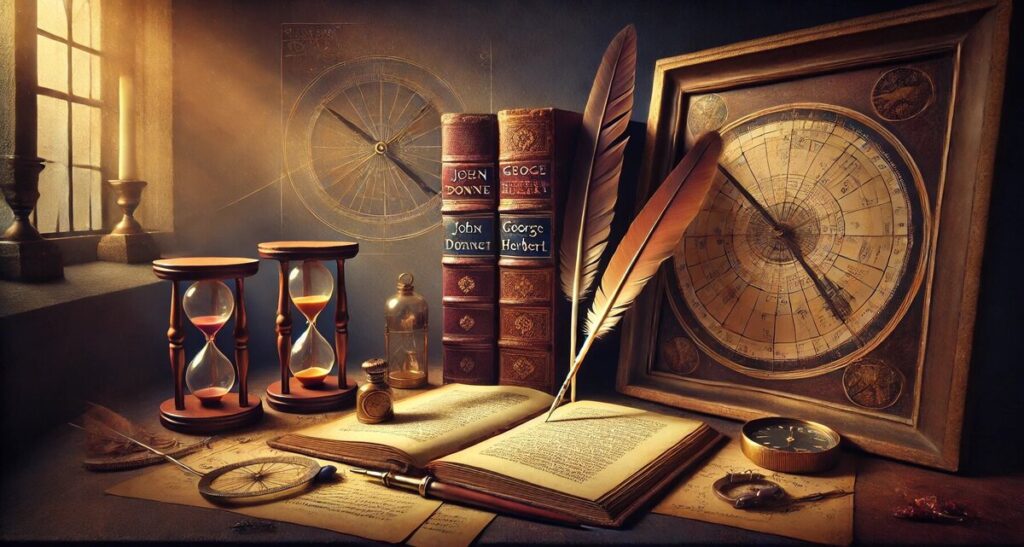
Exploring the Depths of Metaphysical Poetry: The Legacy of Donne and Herbert

Metaphysical poetry is a term coined by Samuel Johnson in the 18th century to describe a group of 17th-century poets who shared a common approach to writing. These poets, including John Donne, George Herbert, Andrew Marvell, and others, were known for their intellectual rigor, inventive conceits, and exploration of complex themes such as love, death, and spirituality.

Exploring the Depths of Metaphysical Poetry: The Legacy of Donne and Herbert Read More »